No moving parts.
Nothing to spin up.
A spinning impeller has to be pushed before it can measure anything. An ultrasonic meter reads the air itself, from sound. With no rotor to lag behind a change, it reads direction along with speed and has nothing inside to wear out.
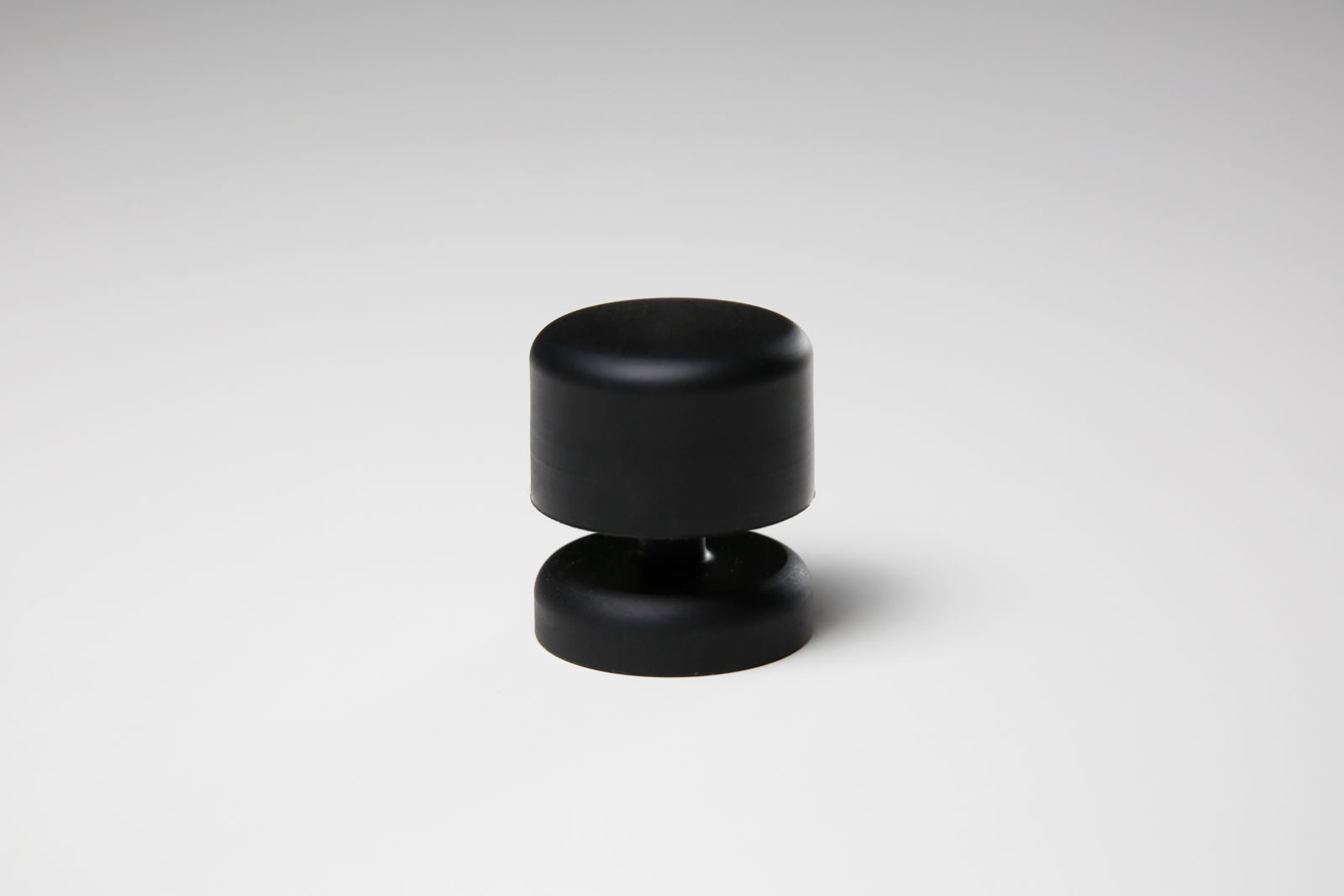
Wind, measured by sound
Four transducers
Four small ultrasonic transducers sit in pairs across the top of the meter, facing each other.
Pulses both ways
Each pair fires a sound pulse back and forth. Wind carries the pulse faster one way and slower the other.
Time the difference
The gap between the two times is the wind along that axis. Timing both ways cancels temperature, so warm or cold air doesn’t skew it.
Speed and direction
Two axes give you a vector: wind speed and the direction it comes from, every second, sent to your phone or watch.
Ultrasonic vs impeller
What changes for your shot
Catch the gust and the lull
Wind near the muzzle has an outsized effect on where the bullet lands. With no rotor still spinning from the last gust, every reading is the wind right now.
Portable Mini →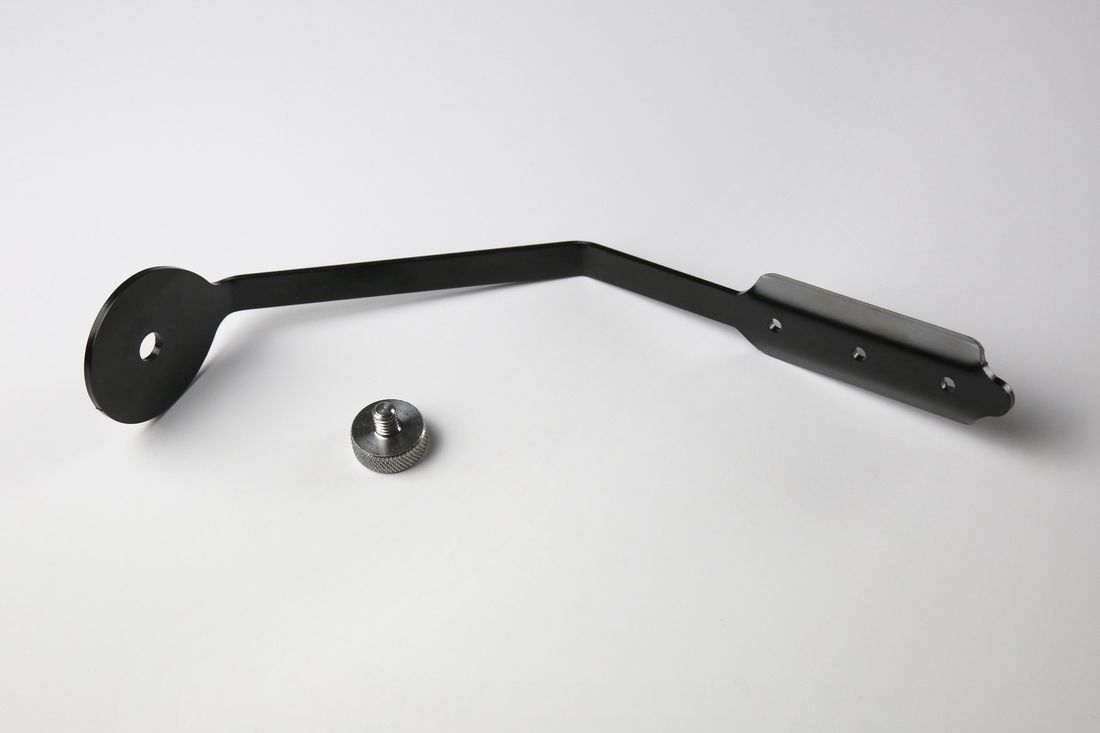
Get out of your own wind shadow
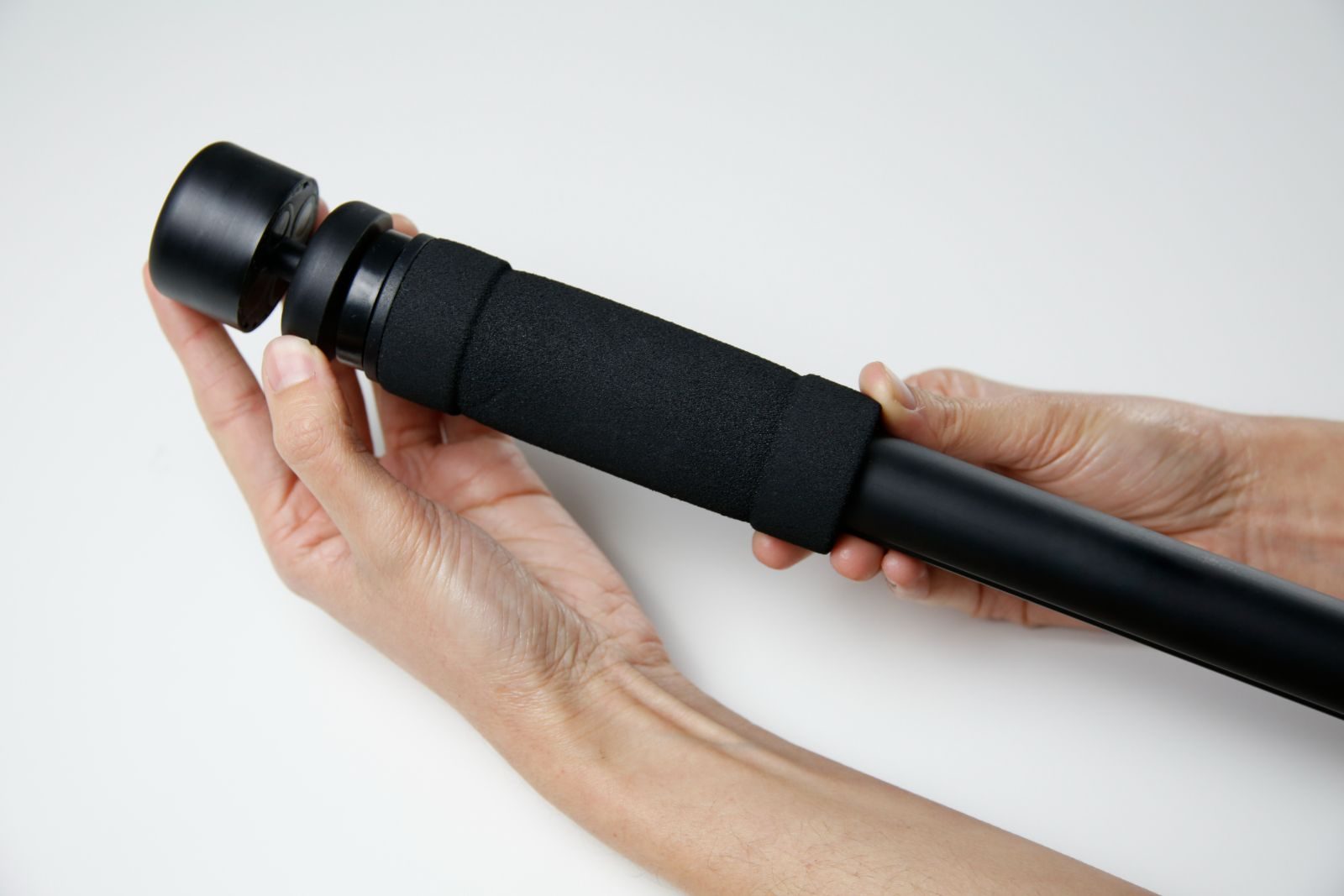
Your body blocks the wind. Put the meter on a mast or pole and read clean air while you stay on the gun.
Mast mount →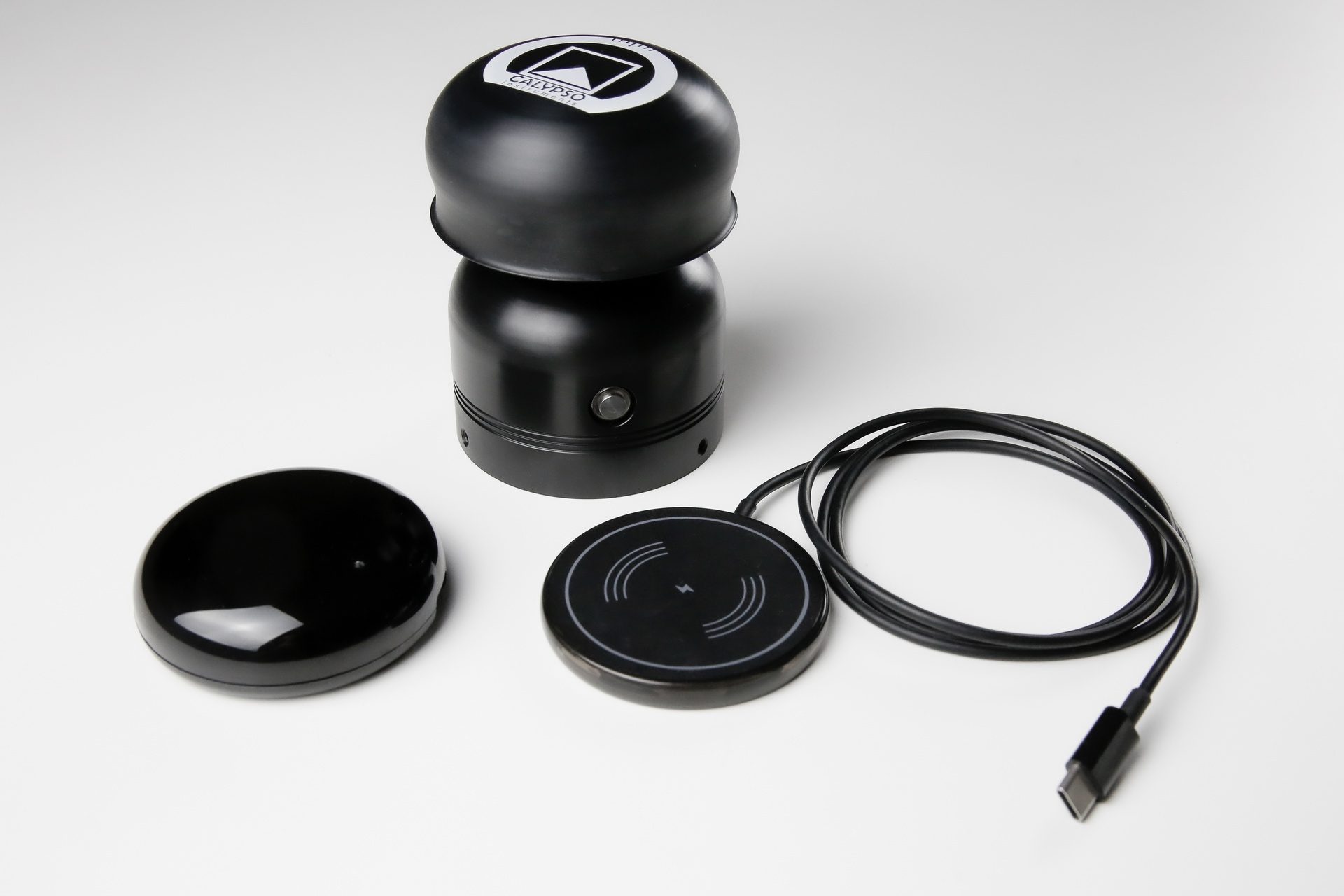
Measure downrange
On long shots the wind across the middle of the flight counts too. LoRa meters send it back from up to 3 km away, line of sight.
LoRa + Receiver →Common questions
Do I have to point it into the wind?
No. It reads wind from every direction at once. You align its mark with your line of fire so the direction it reports matches your shot.
Does temperature change the reading?
Sound travels faster in warm air, but each pair times the pulse in both directions. Comparing the two cancels out the speed of sound, which leaves the wind.
What maintenance does it need?
No bearings or rotor to service. Keep the transducers clean and the battery charged. The Portable Mini charges wirelessly in about an hour.