Wind meters for long-range shooting
How to choose one
Wind is the call you make on every long shot. A wind meter gives you a measured number to check that call against. Here is what matters at the line, how the meter types differ, and which one fits how you shoot.
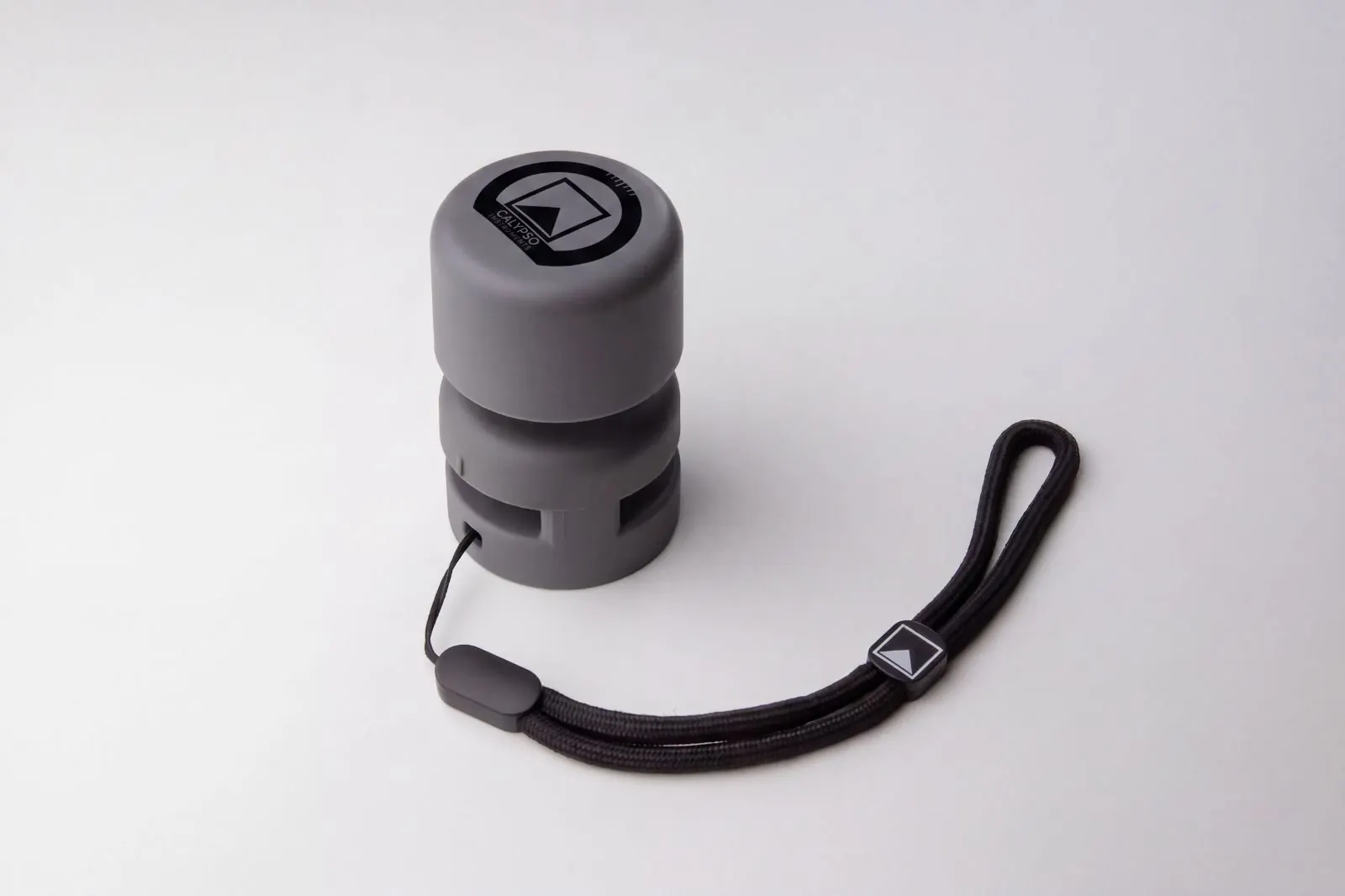
The best wind meter for long-range shooting reads wind speed and direction together, keeps up with gusts and lulls, reads light air, and sends its numbers straight to your ballistic solver. Ultrasonic wind meters do this with no moving parts: four transducers time sound pulses through the air once a second, from any side, with no rotor to lag a gust. For wind plus temperature, pressure and humidity in one unit, the Calypso Mini All-in-One is a ballistic weather meter; for wind alone, the Calypso Portable Mini Ballistics. To read the wind downrange, a Calypso LoRa ultrasonic wind meter sends it back from up to 3 km away.
What a wind meter has to do at the line
Read the crosswind
Your solver needs the part of the wind that crosses your line of fire. A meter that reports direction along with speed lets the app work out the crosswind for you.
Keep up with gusts and lulls
Wind changes between shots. You want the air as it is right now, plus the range of the last few seconds, so you can pick the value you hold for.
Read light air
A few mph at long range still moves the bullet. Check where a meter starts reading, not only how high it goes.
Talk to your solver
A number you retype is slower than one that lands in your ballistic app. Check which apps and devices the meter works with before you buy.
Measure the air too
Wind is the windage half. Temperature, pressure and humidity set density altitude, the elevation half. A ballistic weather meter like the Mini All-in-One reads both from one unit.
Impeller, ultrasonic, or downrange
More on how ultrasonic works: Why ultrasonic.
Match the meter to how you shoot
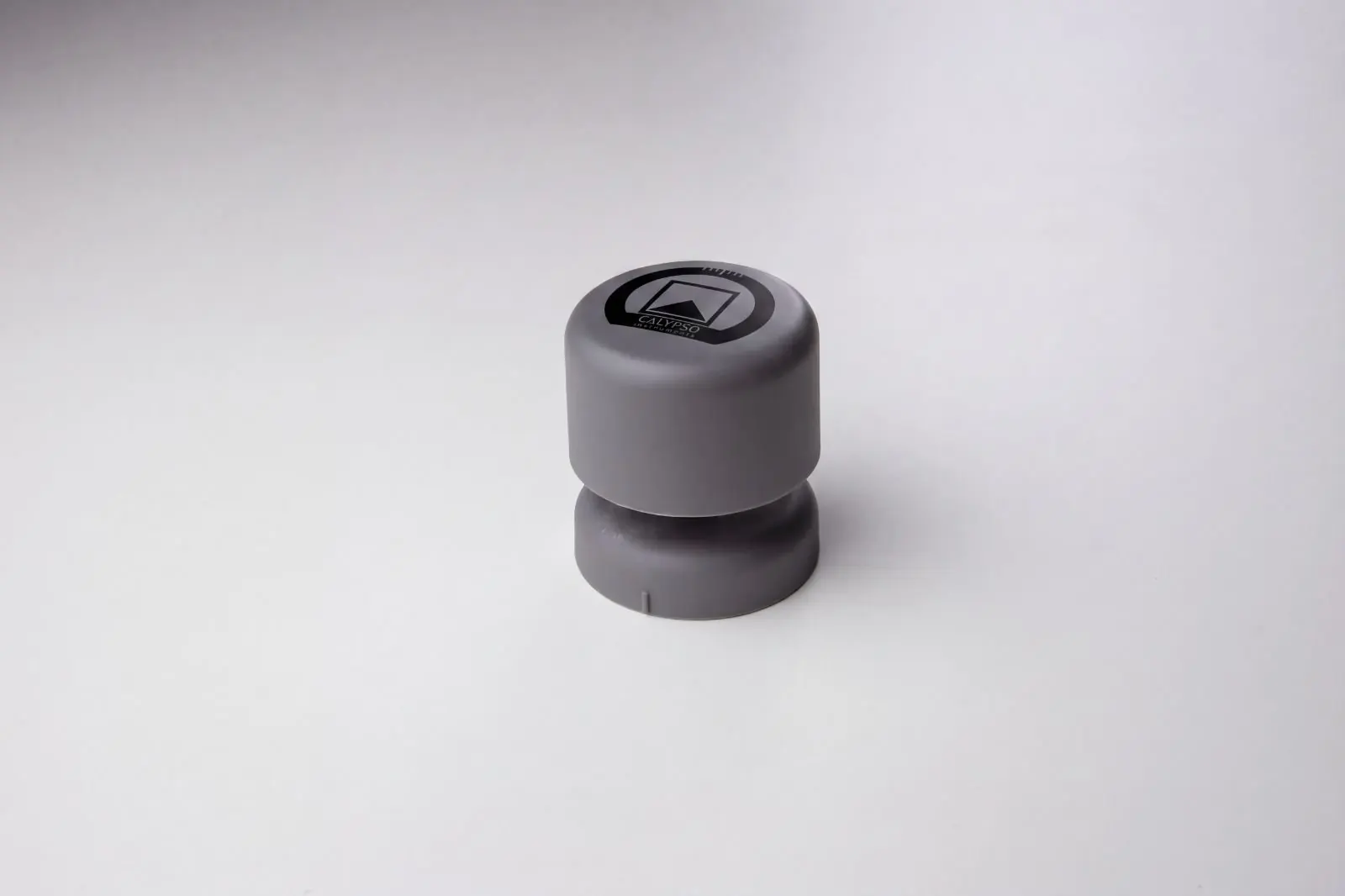
Portable Mini Ballistics
The flagship, next generation. The pocket ultrasonic rebuilt in Gunship Grey with the open protocol at its core, so any partner solver that requests it reads it natively. 78 g, up to 300 hours a charge, Calypso Ballistics app and Garmin.
Portable Mini Ballistics →Mini All-in-One
Wind and full atmosphere from one unit. Wind speed and direction plus temperature, pressure and humidity, measured at the same point and streamed together to your solver. 85 g, IP66, up to 300 hours, one Qi charge.
Mini All-in-One →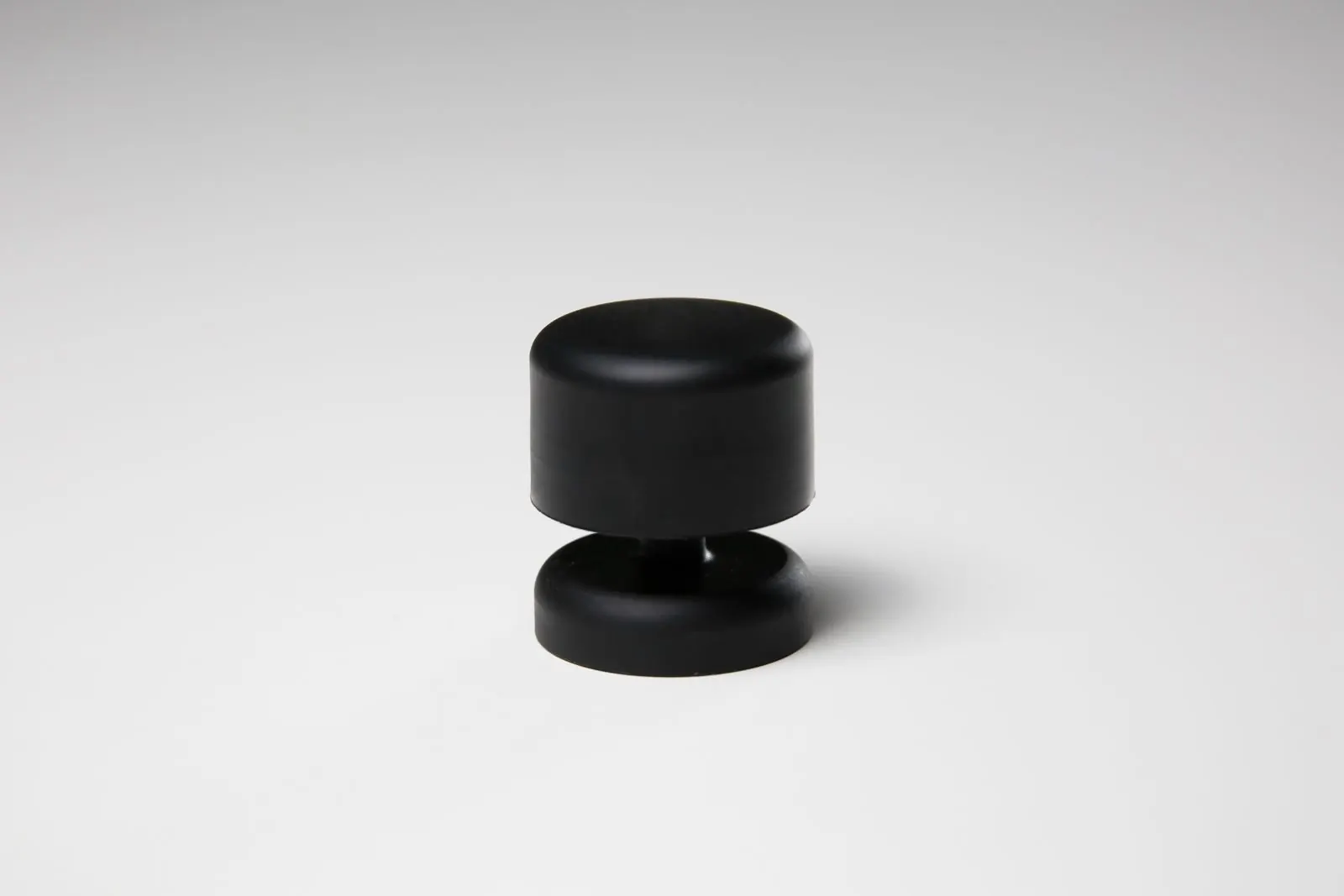
Portable Mini
The current-generation pocket ultrasonic. 78 g, IPX8, reads from 0.5 m/s (1.1 mph), up to 300 hours a charge. Works with AnemoTracker, Strelok Pro, Hornady and Garmin.
Portable Mini →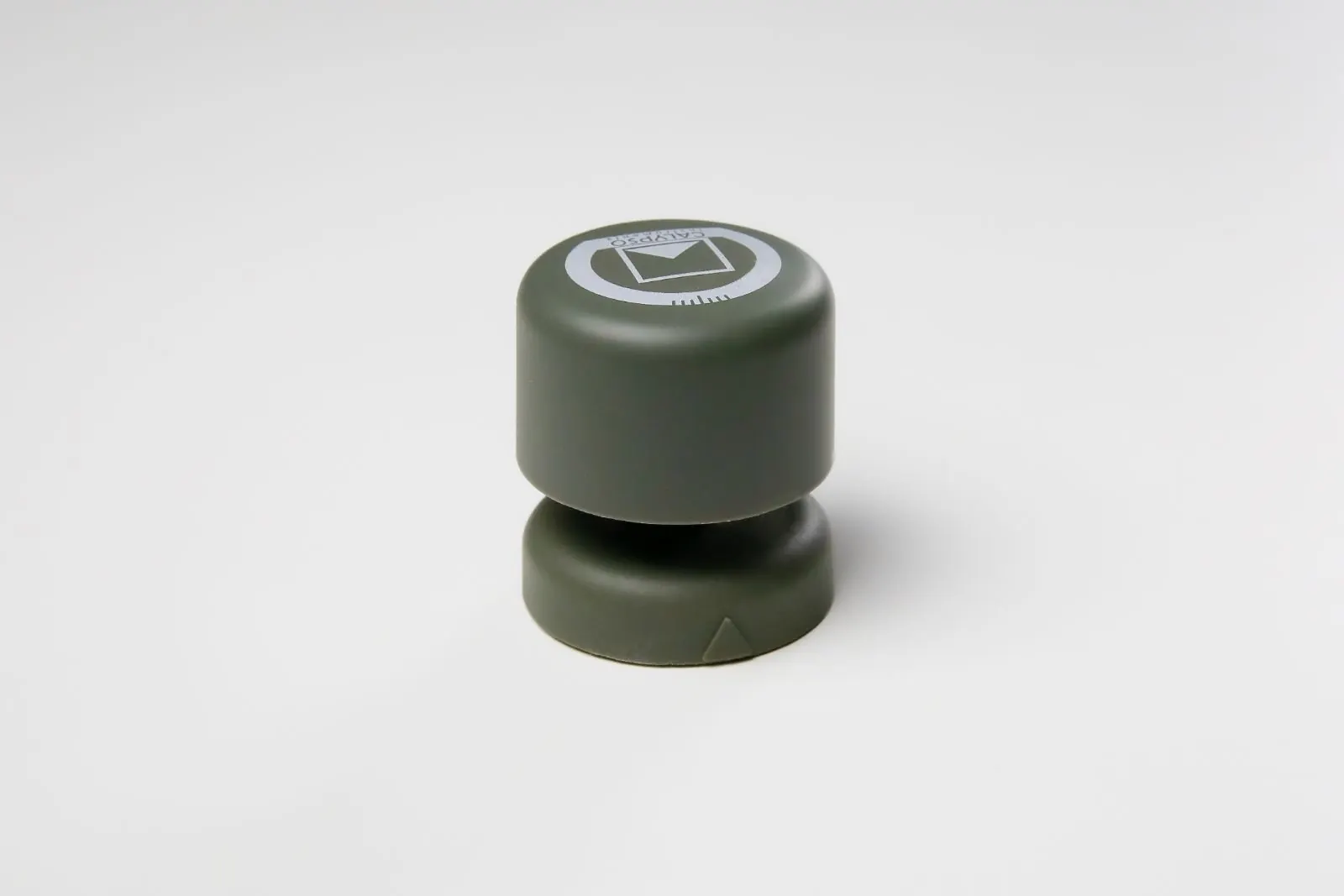
Portable Mini AB
For Applied Ballistics shooters. Same 43 mm ultrasonic head, linked natively to AB devices and apps. Discontinued: available while supplies last, and supported for life.
Portable Mini AB →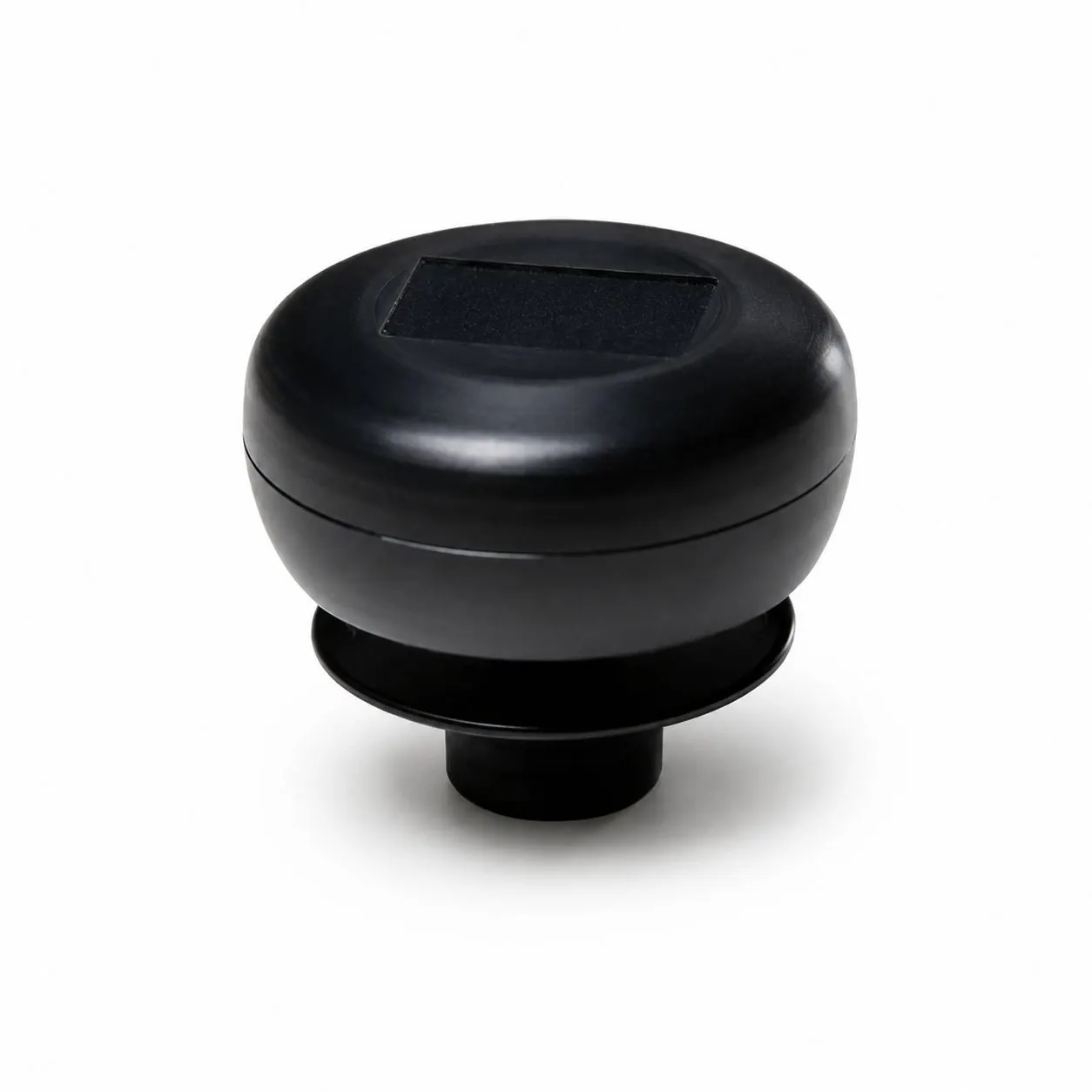
Portable Solar
Leave it at the range. A solar panel keeps it charged, with up to 90 days of use and no sun. Stake it on a pole and it is reading when you walk up.
Portable Solar →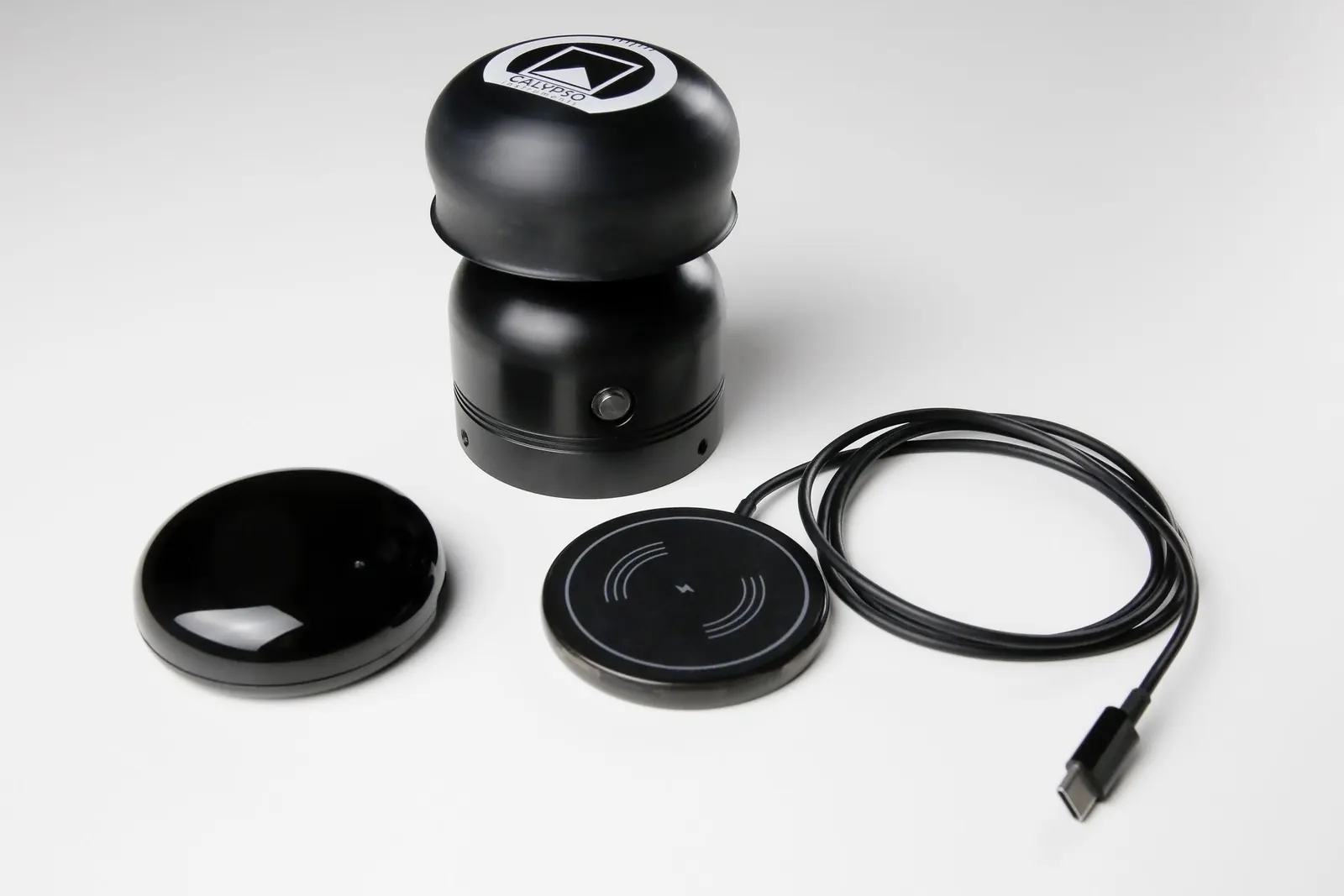
LoRa + Receiver
Read the wind downrange. The meter sends speed and direction up to 3 km line of sight, and one receiver handles up to three meters along the range.
LoRa + Receiver →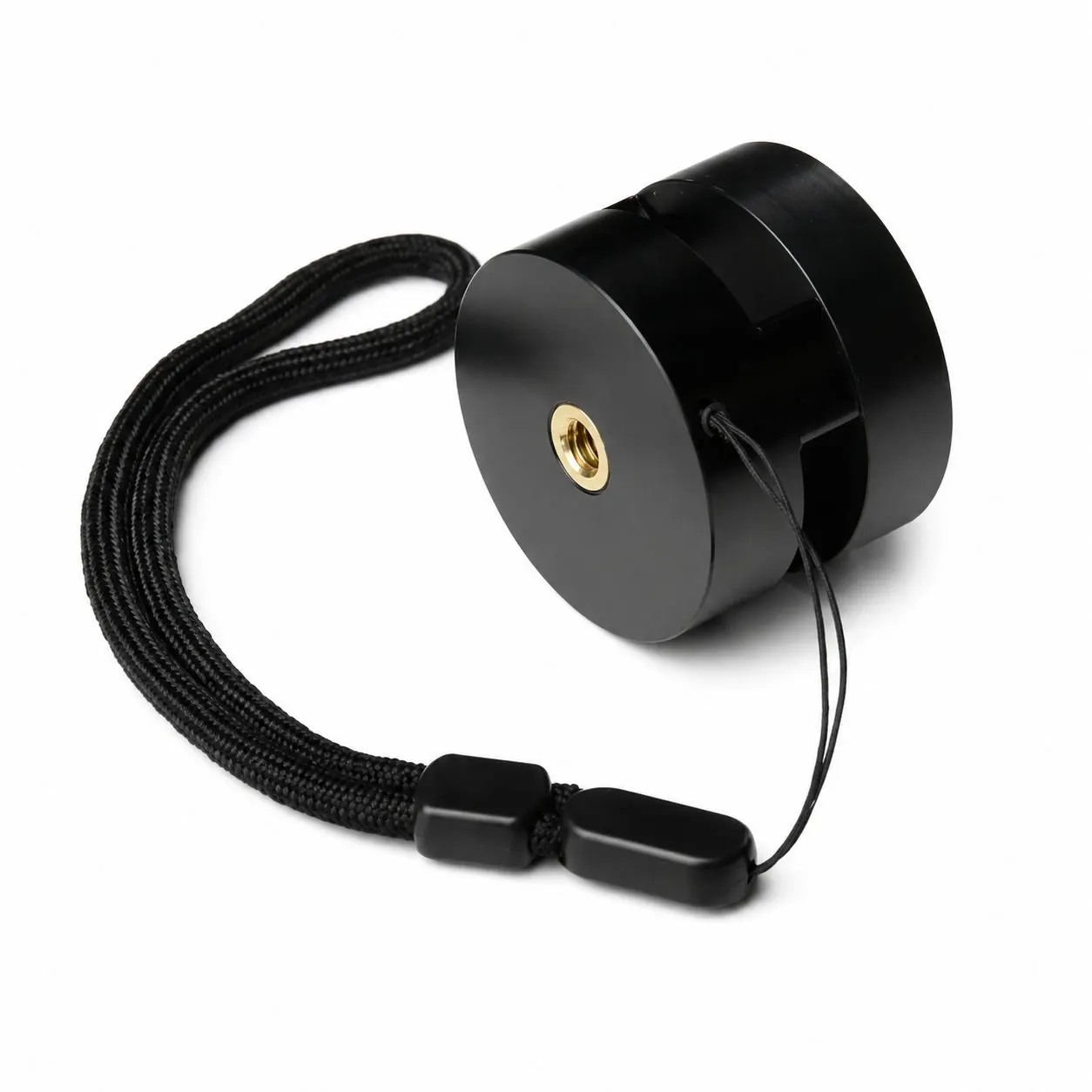
WeatherDot
The elevation half of the solution. Temperature, humidity and pressure at your position for density altitude. Threads onto the same mounts as the Mini.
WeatherDot →Get a clean reading
Align it once
An ultrasonic meter reads wind from every side, so you do not point it into the wind. Line its mark up with your line of fire, and the direction it reports matches your shot.
Get it off your body
Your body blocks the wind. Put the meter on a tripod, pole or mast and read clean air while you stay on the gun.
Hold for the bracket
Do not chase the instant reading. The Calypso Ballistics app shows the lull and gust over a window you choose, so you can pick the value you give your solver.
Field guides: Where to put your wind meter · Reading crosswind · Turning wind into a hold · Calypso Ballistics app
Common questions
Do I still need to read mirage and flags?
Yes. A meter reads the wind where it sits. Use it to check your read of the conditions, not to replace it. A downrange LoRa meter adds a second measured point on the flight path.
Do I have to point it into the wind?
No. An ultrasonic meter reads wind from every direction at once. You align its mark with your line of fire so the direction it reports matches your shot.
Which apps and solvers does it work with?
The Gunship Grey Portable Mini Ballistics and Mini All-in-One stream to the Calypso Ballistics app and are open protocol native, so partner solvers can read them directly. The current Portable Mini and Portable Solar stream to AnemoTracker, Strelok Pro and Hornady, and the Mini reads on Garmin watches. The Mini AB links natively to Applied Ballistics devices and apps. Each product page lists the full set.
Is ultrasonic more accurate than an impeller?
Accuracy depends on the model, so compare spec sheets. The practical differences at the line are that ultrasonic has no rotor to lag a gust, reports direction with speed, and has no bearings to wear.
Wind meter or ballistic weather meter?
A wind meter reads wind speed and direction. A ballistic weather meter adds temperature, pressure and humidity, so your solver gets density altitude for elevation too. The Gunship Grey Mini All-in-One does both from one ultrasonic unit on one mount. Or pair a Portable Mini with a WeatherDot.
Can I use a wind meter in a match?
Rules vary by match and discipline. Check your match rules before you bring any electronic wind meter to the line.